מערכות אוורור משמשים כדי לספק זרימת אוויר צח בבניינים. זה נעשה על ידי שליטה על רמת הלחץ הנייטרלי בתוך הבניין. עם זאת, כאשר רמת הלחץ הנכונה אינה מושגת, זרימת האוויר יכולה להיות לא מספקת ולגרום לאוויר עומד בתוך הבניין. זה יכול להשפיע לרעה על מערכת האוורור.
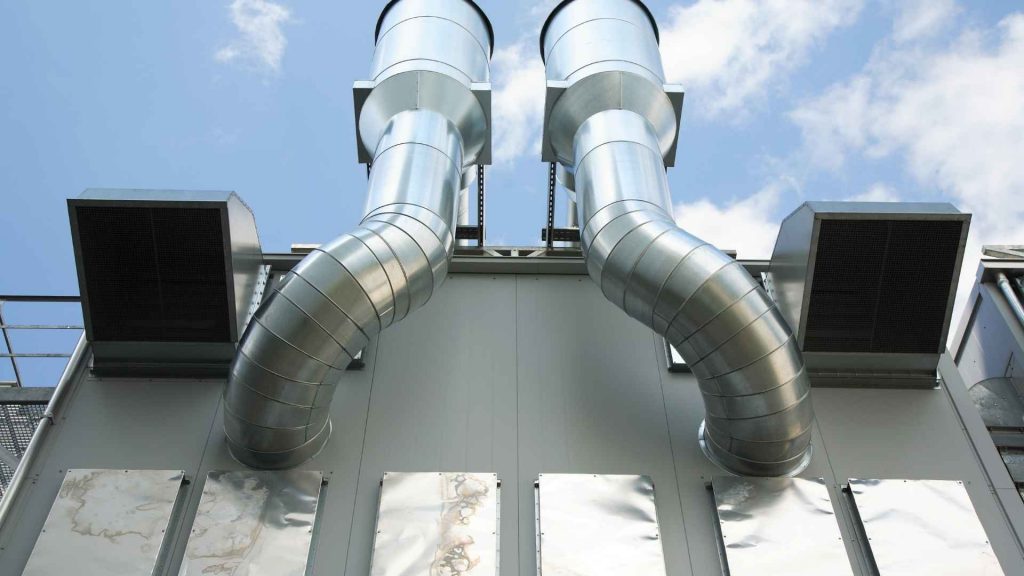
מהם האלמנטים של מערכות אוורור?
מערכות אוורור הן מכשירים חשובים המביאים אוויר צח וחיצוני לבניין. הם גם מסירים את האוויר המזוהם שנמצא בפנים. תוך כדי כך הם עוזרים לשמור על הטמפרטורה והלחות בתוך הבניין, והם מפחיתים את הסיכון לשריפות. להלן המרכיבים הבסיסיים של מערכת אוורור.
מערכות אוורור משתמשות בשיטות שונות כדי להזיז אוויר. חלקם משתמשים בתהליכים מכניים, בעוד שאחרים משתמשים בתהליכים טבעיים. תהליכים אלה עשויים לעבוד יחד, או בנפרד. בדרך כלל, זרימת אוורור טבעית מונעת על ידי תנאים סביבתיים. מערכות מכניות משלימות זרימה זו או עוזרות לווסת אותה. עם זאת, אוורור נחשב בדרך כלל נפרד מחדירה.
מערכות אוורור מכניות משתמשות במאווררים כדי להעביר אוויר צח לבניין. הם יכולים לכלול גם מאווררי פליטה וגם מאווררי אספקה. הציוד המספק אוורור זה משמש לרוב גם לחימום או קירור החלל. בנוסף, למערכות אוורור מכניות יש מספר יתרונות על פני סוגים אחרים של מערכות אוורור. לדוגמה, הם יכולים להיות חסכוניים יותר באנרגיה ולספק אקלים מקורה טוב יותר.
מערכת אוורור מאוזנת משתמשת במערכות אוורור פליטה ואספקה כדי לשמור על האיזון הנכון בין זרימת האוויר הפנימית והחיצונית. מערכת זו היא הטובה ביותר לאקלים חם יותר. מכיוון שהוא אינו מסיר לחות מאוויר האיפור, הוא נוטה לעלות יותר לתפעול מאשר מערכת אוורור אספקה. בנוסף, מערכות אוורור מאוזנות דורשות שתי מערכות צינור, אשר יכול להיות יקר. הם עשויים גם לדרוש ערבוב אוויר חיצוני עם אוויר פנימי, מה שמוסיף לעלויות החימום והקירור.
כיצד משתמשים במערכות אוורור?
מערכות אוורור הן מבנים מכניים המשמשים בבניינים כדי לשלוט על זרימת האוויר. הם עובדים על ידי הכנסת אוויר צח מבחוץ ותיעול אוויר מעופש החוצה. בדרך כלל, מערכות אלה משתמשות במאווררים, במנהרות זרימת אוויר ובמשאבות כדי לשנות את תנאי האוויר בתוך בניין. הם מותקנים בקירות ובתקרות, והם בדרך כלל בלתי נראים לאנשים בתוך בניין.
ישנם שני סוגים עיקריים של מערכות אוורור: אוורור מכני ואוורור טבעי. אוורור מכני הוא תהליך מכני המשתמש במאווררים מופעלים כדי להפיץ אוויר. הוא משמש במצבים בהם זרימת האוויר הטבעית אינה מספיקה. סוג זה של אוורור עובד על ידי ציור פעיל באוויר צח ואוויר ישן מתיש. מערכות אוורור מכניות הן עתירות אנרגיה.
מערכות אוורור מותקנות לרוב במבני תעשייה כדי לשלוט ברמות המזהמים הנישאים באוויר. מערכות אלה משמשות להפחתת ריכוזי המזהמים הללו, אך ישנם גם סיכונים בריאותיים הקשורים לאוורור לקוי. לדוגמה, אוורור לקוי עלול להגביר את הסיכונים של וירוסים מוטסים ומחלות אחרות. זה עלול להוביל גם לעייפות, תגובות אלרגיות, סחרחורת, בחילה וגודש בסינוסים.
מערכת אוורור מאוזנת משתמשת במאווררים נפרדים לזרימת אוויר בכניסה ופליטה, ומאפשרת שליטה רבה יותר על אספקת אוויר צח. מערכת זו יכולה להיות מקור נקודה או צינור. מערכת אוורור נקודתית מספקת אוויר צח לאזורי המגורים והשינה ואילו מערכת אוורור צינורית ממצה אוויר מעופש משאר הבניין.
מהם האלמנטים של מערכות אוורור?
על מנת לאוורר כראוי בניין או אזור, מערכת האוורור חייבת להכיל את הרכיבים המתאימים. רכיבים אלה נקראים מאווררים והם חיוניים לתנועת אוויר בכל האזור. ישנם מספר סוגים של מאווררים זמינים, כל אחד עם מאפיינים שונים. סוג מערכת האוורור המשמשת תלוי בסביבה ובטמפרטורה. אקלים חם ולח עשוי להזדקק למערכת אוורור מכנית עם לחץ חיובי. באקלים קר משתמשים במערכת אוורור בלחץ שלילי. ניתן להשתמש במערכת אוורור בלחץ שלילי בחדרים עם מזהמים המיוצרים במקום.
אוורור הוא תכונה הכרחית של מבנים רבים, כולל בתים. זה עוזר לשמור על אוויר בבניין טרי ובטוח. הוא נמצא בשימוש נרחב במבני תעשייה ובמקומות עבודה, והוא חיוני למתן סביבת עבודה בריאה ובטוחה. הוא משמש גם בבנייני מגורים כדי לספק אוויר צח לאנשים לנשום.
סוגי מערכות האוורור הזמינות כוללות תהליכים מכניים וטבעיים. מערכות מסוימות משלבות בין השניים. לדוגמה, מערכת אוורור מכנית מרכזית כוללת מאווררי אספקה ופליטה ויחידת התאוששות אנרגיה. מצד שני, מערכת אוורור מכנית מבוזרת אינה משתמשת בצינורות. זה שימושי לבנייני מגורים חדשים מכיוון שהוא מבטל את הצורך בתעלות. סוג אחר של מערכת אוורור נקרא אוורור היברידי.
התפקיד החשוב ביותר של אוורור הוא החלפת אוויר מעופש בבניין או בחדר עם אוויר צח בחוץ. אוויר צח זה יעזור לדלל את האוויר המזוהם בפנים. בנוסף, זה גם יעזור לשמור על הטמפרטורה והלחות ברמה נוחה. זה גם עוזר להפחית סכנות אש.
underwater-gps.